← Back to volunteer page

Volunteer Sea Turtle Conservation Guidebook

Choose a location

Support from Con Dao National Park

  • Volunteer facilities: seminar room, accommodation, and daily living support at small islands.
  • Transport arrangements from the main island to smaller islands.
  • Travel costs from Con Son Island to smaller islands/stations.
  • Staff support for sea turtle conservation training and marine plastic monitoring training for volunteers, including field guidance at ranger stations.
  • Volunteer participation certification for the program (with IUCN).
  • Training and field-practice equipment such as projectors, sea turtle tagging tools, life jackets, and hammocks/beds for volunteers.
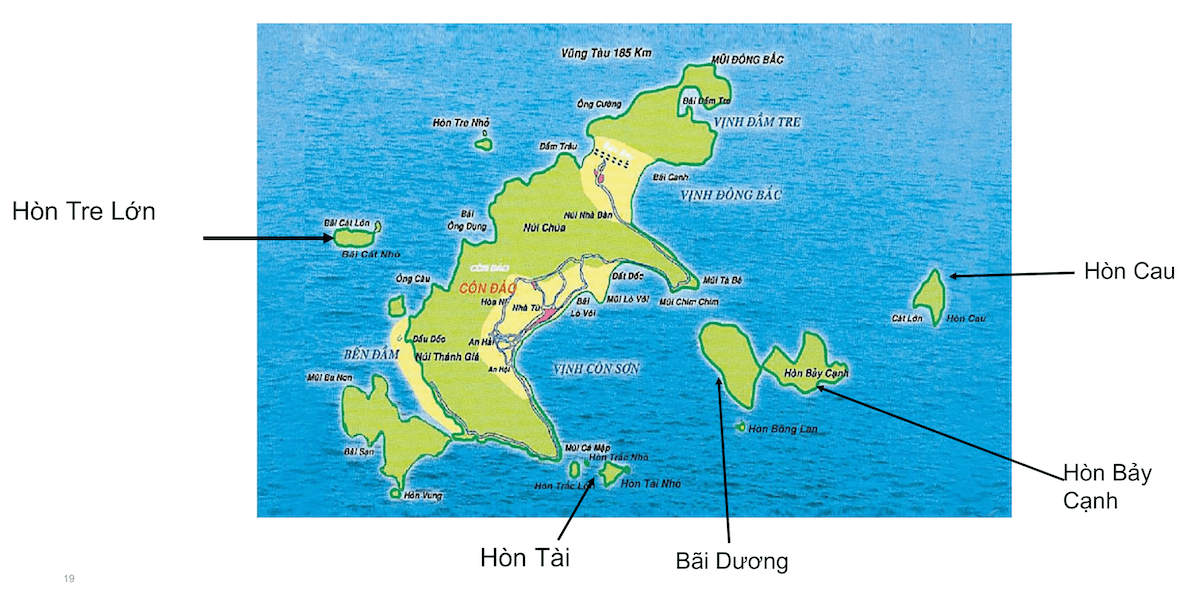
Con Dao National Park map

Tentative Timeline

Day 1

Morning

  • Arrive in Con Dao (volunteers arrange their own accommodation and transfer from airport/port to hotel and the National Park office).

Afternoon 14:30

  • Report to Con Dao National Park office for onboarding procedures.
  • Join sea turtle conservation orientation, waste monitoring briefing, and volunteer rules briefing.
  • Form teams and assign team leaders.
  • Submit required documents (waiver, health certificate, insurance, ID) and prepare essentials for island deployment.

Notes

  • Note: Limit single-use plastic products when going to the islands.

Day 2

Morning

  • Breakfast and hotel checkout before 06:30 - 07:00; transfer to the pier and depart by speedboat to nesting islands.
  • Receive station assignment, safety/living rules briefing, task allocation, and handover exchange with previous volunteer group.
  • Settle accommodation and logistics at the station.

Main task (night shift)

  • Patrol nesting beaches, support turtle measurement/tagging, relocate nests to hatchery zones, support hatchling release, and assist visitor guidance.

Days 3 to 11

Morning

  • Clean and level nesting beaches; conduct survey, monitoring, and waste collection activities.

Afternoon

  • Prepare stakes and nest markers; clean and expand hatchery pits when needed.

Night

  • Continue night patrols and support specialist tasks: measuring, tagging, nest relocation, hatchling release, and visitor guidance.

Day 12

Wrap-up

  • Program debrief; volunteers submit activity evaluation and feedback using IUCN form.
  • Teams submit activity logbook to Con Dao National Park, including photos from fieldwork.
  • Receive certificates and transfer back to main island for airport/port departure.

Notes

  • Each volunteer commits to supporting marine and sea turtle conservation communication activities in Vietnam for at least 6 months after the program.
  • Depending on weather conditions, Con Dao National Park will proactively confirm final debrief timing.

FAQ

Living Conditions

All islands have electricity and water. However, power is solar-charged battery electricity, and older battery systems may not retain enough charge; on rainy days, power can be limited or unavailable (for example at Bay Canh). Water is mainly rain-fed, so long dry periods may lead to shortages, and careful use is required.

Rest, Personal Life, and Recreation

Food and Drink Preparation

Transport

Documents and Preparation

Island-by-Island Explorer

Access & Transport

Service boats land at the mangrove wooden pier area. At low tide, volunteers may need to wade and carry luggage for about 5m, then walk around 100m to the ranger station.

Facilities

Sleeping areas are separated for men and women. Cooking has a 2-burner gas stove, basic cookware, dry-storage cabinets, and shared refrigerator space. Fresh-water bath, shared toilets, and laundry area are available.

Connectivity

Viettel signal and data are available at the station.

Food & Water

Drinking water should be boiled (or brought from the main island). Rainwater must be used carefully. Fresh food should be purchased in 2-3 day rolling batches.

Daily Life & Work

The patrol beach is about 1km in front of the station. In good weather, boats may come daily for resupply. Volunteers can also support small garden activities with ranger guidance.

Bring Extra

  • • Mosquito and sand-fly repellent (required)
  • • Cajuput oil
  • • Anti-itch / anti-scar cream for insect bites
  • • Mask for hatchery cleanup tasks
  • • Extension socket, rechargeable fan, personal water bottle
  • • Headlamp with red-light mode

Safety Notes

  • • Do not scratch bites. With anti-allergy medication and proper treatment, bites usually improve in 5-7 days.
  • • Plastic waste is burned on-site, so minimize single-use plastic.

Personal Packing Checklist

* Use environment-friendly products where possible.

** Team members can buy shared items before departure to reduce waste and plastic.

Clothing

Note: there is a laundry area on the island.

  • Quick-dry shorts and long pants
  • Fabric pants
  • T-shirts

    One thermal layer for rainy conditions and cold patrol nights.

  • Long-sleeve shirt (sun protection)
  • Windbreaker (provided by IUCN)
  • Wide-brimmed hat to protect from the sun
  • Beach footwear

    For sand/wet-sand conditions, use comfortable footwear that limits sand ingress; straps are recommended for coral areas and shallow-water movement.

  • Slippers for station use (honeycomb sandals recommended)
  • Swimwear

Personal Essentials

  • Toothbrush, toothpaste
  • Sunscreen *

    Use reef-safe sunscreen.

  • Shampoo, body wash…**
  • Reusable water bottle
  • Phone
  • Power bank and charging cable
  • Waterproof phone case/bag

    To prevent damage if dropped into seawater.

  • Sleeping bag/tent/hammock with mosquito net
  • Reusable raincoat or alternative waterproof item

    Rain can come suddenly; raincoats may be used to shield egg baskets during relocation.

  • Quick-dry face/bath towel
  • Nail clipper
  • Sanitary pads (female volunteers)
  • Camera (if available)

Team Shared Items

  • Toilet paper**
  • Laundry detergent**
  • Clothes hangers
  • Dry and fresh food supplies
  • Youth project supplies (paint, brushes, etc.)
  • Medical gloves (2-3 boxes/team)

Patrol Tools

  • 1 flashlight + red filter (headlamp recommended)
  • Notebook (or phone notes)
  • Ballpoint pens**

Basic Medical Kit

  • Insect-bite ointment and anti-allergy medication
  • Anti-allergy medication (for sand-fly bites)
  • Vitamin C and liver support supplements
  • General antibiotics**
  • Anti-inflammatory medication**
  • Stomach medication**
  • Pain/fever medication**
  • Topical oil**
  • Bandages**
  • Medical gloves**

    Mandatory for conservation steps: egg handling, nest cleanup, and hatchling release.

  • Essential oil/insect repellent spray
Volunteer Guidebook | IUCN Vietnam